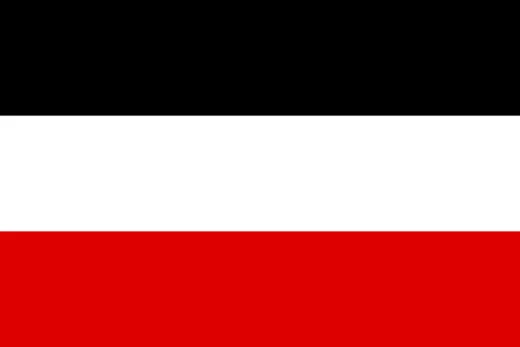
History of Germany during World War I
German Empire fought as Central Power, ended with revolution.
During World War I, Germany fought as part of the Central Powers. It entered the war after its ally Austria-Hungary declared war on Serbia. German troops saw action on both the eastern and western fronts, but for most of the conflict, German territory was largely spared from invasion, except for a short incursion into East Prussia in 1914. A strict naval blockade by the Royal Navy led to serious food shortages in German cities, most notably during the harsh winter of 1916–17, which became known as the Turnip Winter. Germany’s defeat and growing public unrest sparked the German Revolution of 1918–1919, which toppled the monarchy and created the Weimar Republic.
When war broke out in 1914, the German population reacted with a mix of emotions, much like people in the United Kingdom. The idea of universal enthusiasm, often called the Spirit of 1914, has been questioned by later historians. The German government, led by the Junker class, saw the war as a chance to break free from being encircled by France, Russia, and Britain. At home, the conflict was promoted as an opportunity for Germany to claim "our place under the sun," a phrase used by Foreign Minister Bernhard von Bülow, and this message resonated with widespread nationalist feelings. The establishment hoped the war would unite the public behind the monarchy and weaken the growing influence of the Social Democratic Party, which had been the Kaiser’s strongest critic in the Reichstag before the war. Despite its ties to the Second International, the Social Democratic Party set aside its differences with the imperial government and abandoned its internationalist principles to back the war effort. Germany spent 170 billion Marks on the war, raised through bank loans and public bond drives. A symbolic practice of hammering nails into public wooden crosses encouraged the aristocracy and middle class to buy bonds, which later became worthless during the hyperinflation of 1923.
It quickly became clear that Germany was not ready for a long war. At first, the economy was barely regulated for wartime needs, and the German war economy remained poorly organized throughout the conflict. The country relied on imported food and raw materials, but these were cut off by the British blockade. Initially, food prices were capped, and then rationing was introduced. The winter of 1916–17 was called the "turnip winter" because
- field
- World War I history
- nationality
- German Empire
- known_for
- Central Power, Turnip Winter, German Revolution of 1918–1919
Lore & Background
Germany's population responded to the outbreak of war in 1914 with a complex mix of emotions, similar to the United Kingdom; notions of universal enthusiasm known as the Spirit of 1914 have been challenged by more recent scholarship. The German government, dominated by the Junkers, saw the war as a way to end being surrounded by hostile powers France, Russia and Britain. The war was presented inside Germany as the chance for the nation to secure 'our place under the sun,' as the Foreign Minister Bernhard von Bülow had put it, which was readily supported by prevalent nationalism among the public. The German establishment hoped the war would unite the public behind the monarchy, and lessen the threat posed by the dramatic growth of the Social Democratic Party of Germany, which had been the most vocal critic of the Kaiser in the Reichstag before the war. Despite its membership in the Second International, the Social Democratic Party of Germany ended its differences with the Imperial government and abandoned its principles of internationalism to support the war effort. The German state spent 170 billion Marks during the war. The money was raised by borrowing from banks and from public bond drives. Symbolic purchasing of nails which were driven into public wooden crosses spurred the aristocracy and middle class to buy bonds. These bonds became worthless with the 1923 hyperinflation.
Reader's Guide
The German Empire's role in World War I was pivotal as a Central Power, initiating conflict after Austria-Hungary declared war on Serbia. Its military strategy, including the modified Schlieffen Plan, aimed at a quick victory but led to prolonged trench warfare. The British blockade caused severe civilian hardship, exemplified by the Turnip Winter of 1916–17, contributing to over 474,000 excess civilian deaths from malnutrition and disease. Domestically, the war initially united the public and the Social Democratic Party behind the monarchy, but growing discontent culminated in the German Revolution of 1918–1919, which overthrew the monarchy and established the Weimar Republic. The government's reliance on borrowing and bond drives led to hyperinflation in 1923, rendering bonds worthless. The war also exposed internal political struggles, notably between Chancellor Bethmann Hollweg and military leaders Hindenburg and Ludendorff, who forced policies like unrestricted submarine warfare, drawing the United States into the conflict. Germany's defeat and the subsequent revolution reshaped European politics, ending the imperial era and setting the stage for the interwar period.
Did You Know?
- The German state spent 170 billion Marks during the war, raised by borrowing and bond drives.
- The winter of 1916–17 was called the 'turnip winter' because the potato harvest was poor and people ate animal food, including turnips.
- Excess civilian deaths from malnutrition and disease from August 1914 to mid-1919 totaled about 474,000, excluding Alsace-Lorraine and Polish provinces.
- The Social Democratic Party of Germany abandoned its internationalist principles to support the war effort.
More in German Empire 1-24
Spotted an error? Know more?
This is a living reference — every entry is fact-audited, and reader corrections feed straight into our audit queue. Suggest an edit · See this site's audit record